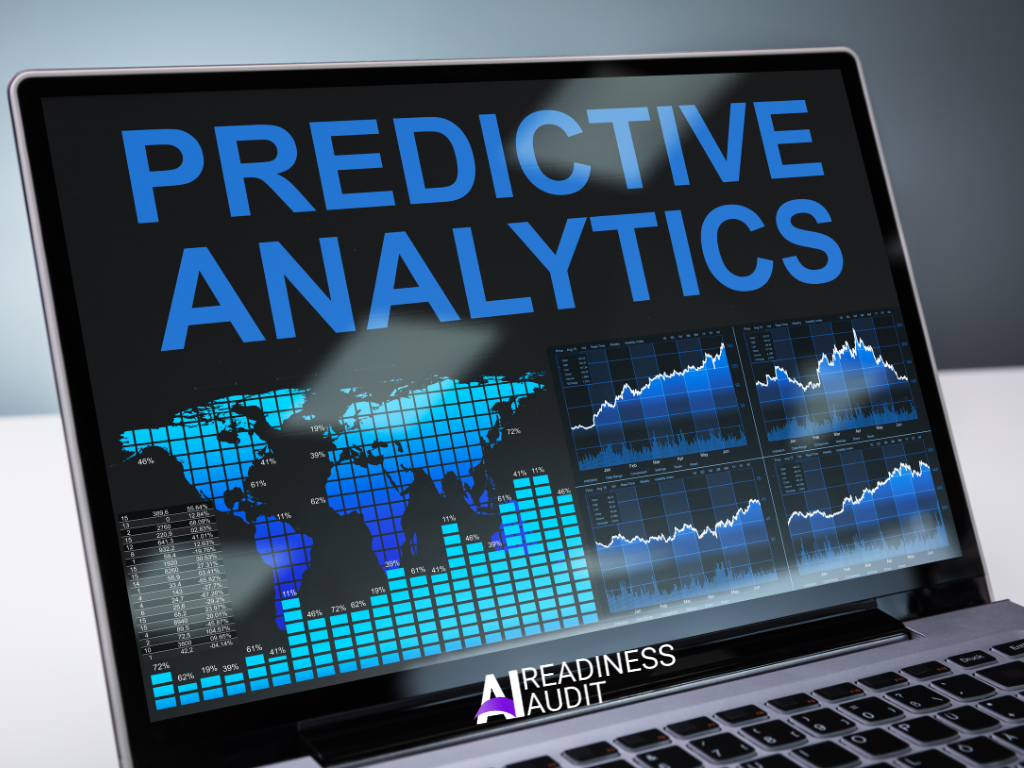
Managing supply chains has always been a balancing act. Too much stock can lead to waste, while too little causes delays and lost sales. This is where predictive analytics makes a real difference. It allows businesses to analyse historical data, market trends, and customer behaviour to forecast future demand with greater accuracy. With the help of predictive analytics, supply chain teams can spot potential shortages or surpluses before they happen. This gives them the power to act quickly and keep operations running smoothly.
For example, predictive tools can help retailers prepare for seasonal changes, manufacturers plan production more efficiently, and logistics companies optimise delivery schedules. What makes this technology so valuable is its ability to turn complex data into clear insights. Instead of reacting to problems, businesses can now predict and prevent them. This not only improves performance but also reduces costs and strengthens customer satisfaction.
Here are a few simple benefits of using predictive analytics in supply chain management:
- Improved accuracy: Forecast demand and inventory with real-time data.
- Faster response times: Make quick adjustments before issues grow.
- Reduced waste: Cut unnecessary production and storage costs.
- Better planning: Align operations with market trends and customer needs.
By combining human experience with predictive technology, companies can create supply chains that are both flexible and reliable.
Smarter Forecasting Through ai automation services
Predicting demand with real-time insights
Technology is moving faster than ever, and businesses need tools that can keep up. ai automation services are transforming how organisations handle their data. Instead of relying on spreadsheets or manual tracking, automated systems collect and analyse information continuously.
With ai automation services, teams can predict demand in real time. These systems identify trends, notice patterns, and alert managers when adjustments are needed. For example, they can detect a rise in sales for certain products or predict delays in shipping before they occur.
Turning data into smarter decisions
Automation doesn’t just save time — it makes decisions more reliable. When data is processed instantly, managers can respond to changes with confidence. This helps reduce human error, improve resource allocation, and keep stock levels balanced across multiple locations. Businesses using ai automation services often notice stronger coordination between departments.
Purchasing, production, and logistics all have access to the same live data, making teamwork easier and communication clearer. In short, automated predictive tools help companies stay ahead of market shifts and customer expectations while maintaining full control over their supply chains.
Improving Accuracy with ai audit and artificial intelligence auditing
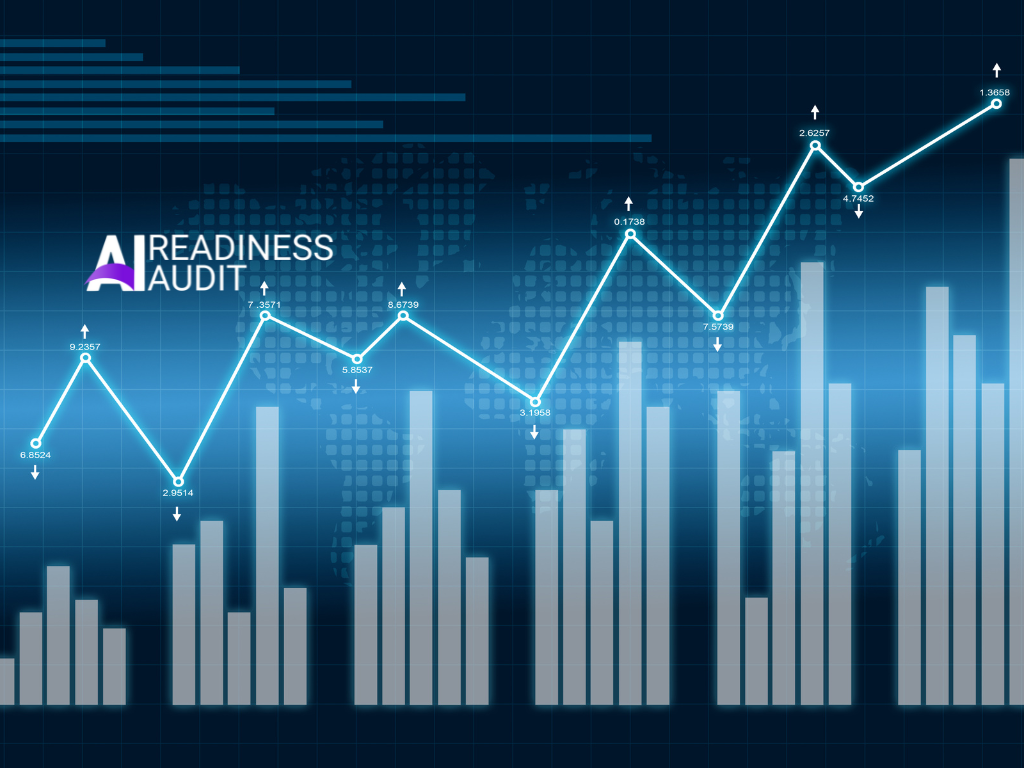
Even the smartest systems need regular checks to perform at their best. This is where ai audit and artificial intelligence auditing come in. These processes ensure that predictive tools and automation systems are delivering accurate and ethical results. An ai audit reviews how algorithms make predictions. It checks for data bias, incorrect inputs, or inconsistencies that could affect decision-making. Meanwhile, artificial intelligence auditing looks deeper into the model’s structure and performance, ensuring that it aligns with company goals and compliance standards.
Regular audits keep systems transparent and trustworthy. They also make sure that automation continues to deliver value over time. By performing these checks, businesses can rely on their predictive analytics results without worrying about errors or hidden biases.
For organisations handling sensitive data, these audits are essential for maintaining trust and accountability.
Some key benefits include:
- Detecting and correcting algorithm bias early.
- Improving data security and compliance.
- Ensuring consistent and reliable predictions.
When predictive systems are accurate and well-maintained, supply chains become stronger, smarter, and more efficient — ready to handle the challenges of an ever-changing market.
Integrating ai automation platfor for End-to-End Efficiency
Connecting systems for seamless operations
Modern supply chains often use multiple systems to handle tasks like inventory tracking, delivery management, and customer orders. However, when these systems operate separately, data becomes fragmented and time is lost. An ai automation platform connects these systems, creating one central hub for all operations.
By integrating predictive tools with an ai automation platfor, businesses can streamline communication between departments. Inventory data updates automatically, orders are processed faster, and logistics teams can adjust schedules based on real-time information. This connected approach helps businesses stay flexible even when demand changes suddenly.
Making smarter, faster business decisions
Automation platforms don’t just connect systems — they enhance decision-making. When supply chain data is updated continuously, managers can see exactly what’s happening across all areas of the business. This visibility leads to faster decisions that are based on facts rather than guesswork.
For example, if demand increases for one product, the ai automation platfor can automatically alert suppliers, adjust production levels, and reroute delivery schedules. These quick responses help reduce delays, save costs, and maintain customer satisfaction. In short, integration gives businesses the power to operate efficiently from start to finish, improving speed, accuracy, and collaboration.
The Future: artificial general intelligence and the Next Level of Prediction
Technology continues to evolve, and the next major step is artificial general intelligence. Unlike traditional AI systems that focus on specific tasks, artificial general intelligence is designed to think, learn, and make decisions much like a human. In the world of predictive systems, this advancement could completely transform supply chain management. Machines powered by artificial general intelligence could identify complex patterns that humans might miss, forecast global supply trends, and even make autonomous decisions to prevent disruptions.
Imagine a future where your system not only predicts inventory shortages but also negotiates with suppliers, arranges transport, and updates customers — all without manual input. That’s the potential of artificial general intelligence in the years ahead. While this technology is still developing, preparing for it now gives businesses a head start. By using ai automation services, predictive tools, and regular ai audit processes today, companies can build a foundation for more advanced systems tomorrow.
Why Every Business Should Invest in predictive analytics Today
Lower costs, better service
Adopting predictive analytics is no longer a luxury — it’s a necessity for competitive industries. Companies that use predictive tools gain a clearer understanding of demand, production cycles, and customer behaviour. This leads to reduced waste, fewer shortages, and lower storage costs. At the same time, customers benefit from quicker deliveries and consistent product availability. A data-driven approach builds trust and helps brands stand out in crowded markets.
Building a more resilient supply chain
Resilience is vital for long-term success. Whether it’s global shipping delays or sudden market changes, predictive analytics gives businesses the insight to adapt quickly. When paired with an ai automation platfor and regular artificial intelligence auditing, your data remains accurate, ethical, and ready for real-world challenges. The goal isn’t just to react faster — it’s to anticipate change before it happens.
With ongoing innovation in ai automation services and the rise of intelligent systems, supply chains of the future will be smarter, stronger, and more reliable than ever. For businesses ready to take the next step, the message is clear: start integrating predictive analytics now. The sooner you begin, the sooner you’ll build a supply chain that’s efficient, data-driven, and future-ready.